
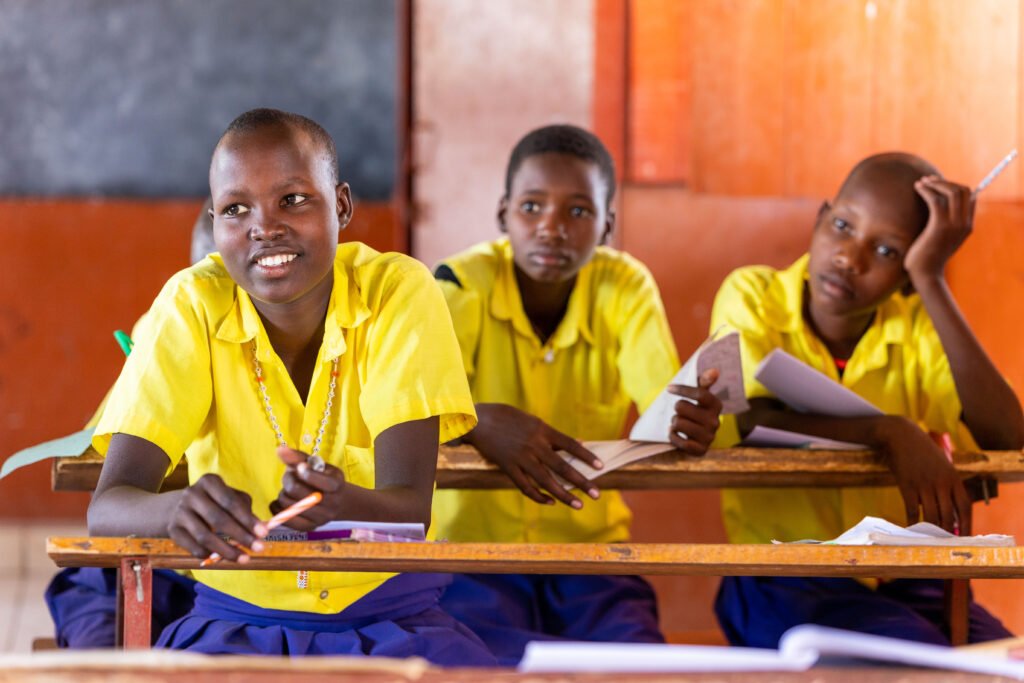
When we talk about climate solutions, we often focus on technology, forests, or renewable energy. But one of the most powerful tools for building environmental resilience is educating girls. In Coastal Kenya and beyond, empowering young women through education is directly linked to healthier communities, sustainable resource management, and stronger responses to climate change.
1. Educated Girls Lead to Healthier Families
Research shows that girls who stay in school are more likely to delay marriage and childbirth, make informed health decisions, and raise healthier children. Healthier families are better able to adapt to environmental stresses, from droughts to floods.
2. Women Are Climate Leaders
Women, particularly in rural and coastal communities, play a key role in managing natural resources—water, forests, and agricultural land. Educated women are better equipped to adopt sustainable practices, participate in conservation initiatives, and influence community decision-making.
3. Economic Empowerment Supports Sustainability
Education opens doors to jobs, entrepreneurship, and financial independence. Women with income are more likely to invest in climate-friendly technologies, start eco-businesses, and fund community projects that protect the environment.
4. Reducing Vulnerability to Climate Change
Girls who are educated are more aware of climate risks and are better prepared to respond to emergencies or environmental changes. They become agents of resilience in households and communities, contributing to long-term sustainability.
5. Multiplied Impact Across Generations
Investing in girls’ education doesn’t just benefit one person—it benefits entire communities. Educated women pass on knowledge, prioritize environmental stewardship, and inspire future generations to protect the planet.
A Solution That Works for People and the Planet
Protecting our climate is about more than trees or energy—it’s about people. By ensuring girls have access to education, we are empowering them to make choices that strengthen communities, safeguard ecosystems, and build a sustainable future.
Educating girls isn’t just social progress—it’s climate action. When girls thrive, the planet thrives too.