
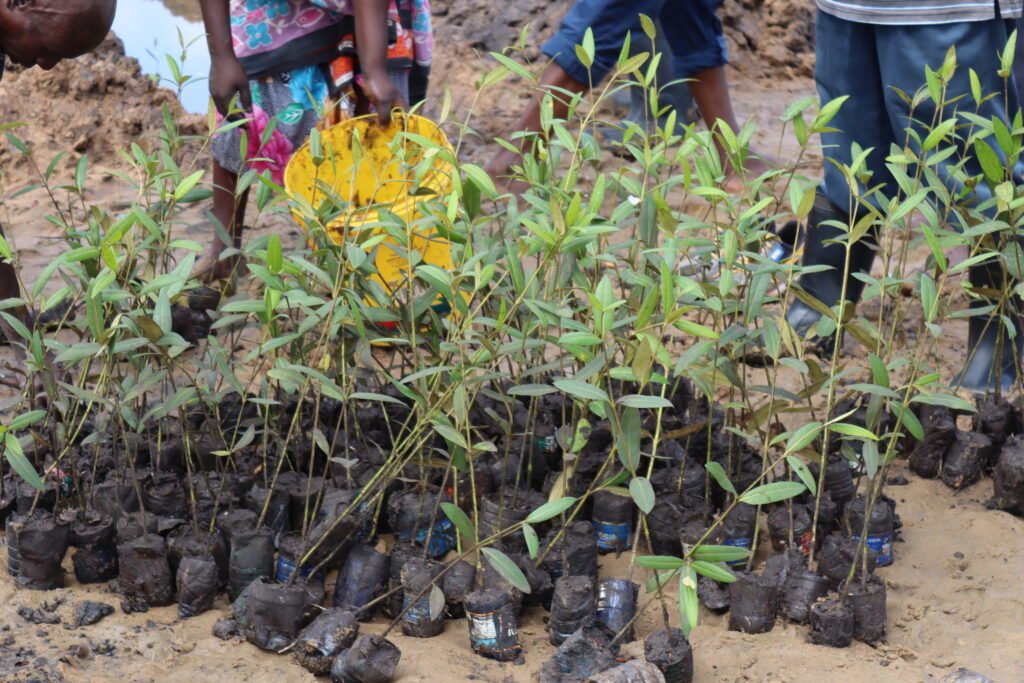
Along Kenya’s coastline, mangroves are more than just trees—they are frontline defenders against climate change. These unique coastal ecosystems provide critical environmental, social, and economic benefits, making their protection one of the most powerful climate solutions available.
Here’s how mangrove conservation is making a difference in Coastal Kenya:
1. Carbon Sequestration Powerhouses
Mangroves are among the most efficient natural carbon sinks on the planet. By capturing carbon dioxide from the atmosphere and storing it in their soil and biomass, they help reduce greenhouse gas levels—fighting global warming while supporting coastal biodiversity.
2. Protecting Coastal Communities
Mangroves act as natural buffers against storms, waves, and coastal erosion. Healthy mangrove forests can reduce the impact of flooding and storm surges, protecting homes, schools, and livelihoods along the coast.
3. Supporting Fisheries and Food Security
These ecosystems serve as nurseries for fish, crabs, and other marine life, sustaining local fisheries. By protecting mangroves, communities secure the resources they rely on for food and income.
4. Preserving Biodiversity
Mangrove forests provide habitat for countless species, from migratory birds to crustaceans. Conserving these ecosystems ensures that wildlife thrives, which in turn maintains the balance of local ecosystems.
5. Creating Green Jobs and Livelihoods
Mangrove conservation projects often involve local youth and community members in restoration, monitoring, and sustainable harvesting initiatives. These efforts create green jobs, promote environmental stewardship, and generate income for families while preserving nature.
A Natural Climate Solution Worth Investing In
Mangrove conservation in Coastal Kenya is a clear win-win: it combats climate change, protects communities, sustains livelihoods, and preserves biodiversity. By supporting these initiatives, we are investing in a future where people and nature thrive together.
Protecting mangroves is more than an environmental effort—it’s a strategic, community-led solution to some of the biggest challenges of our time.